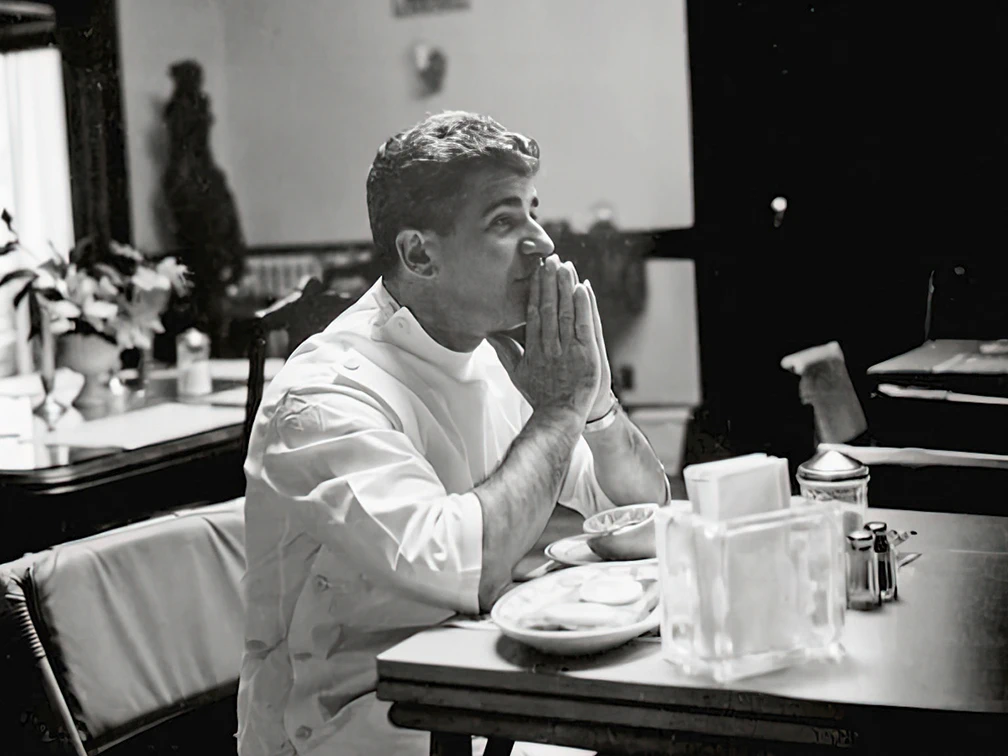
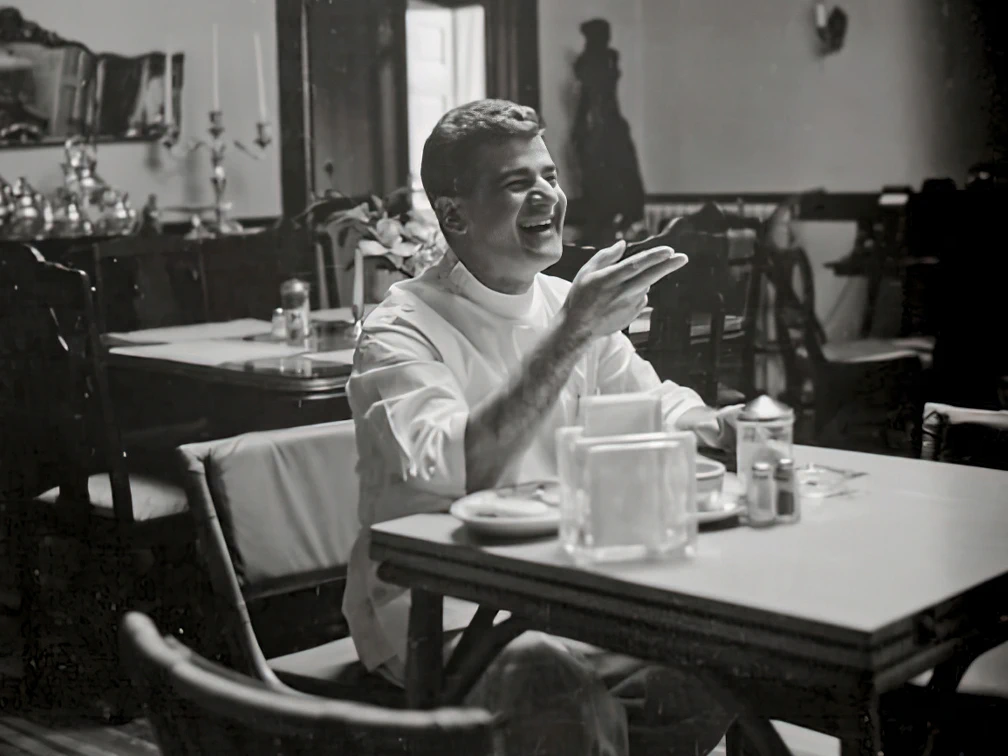
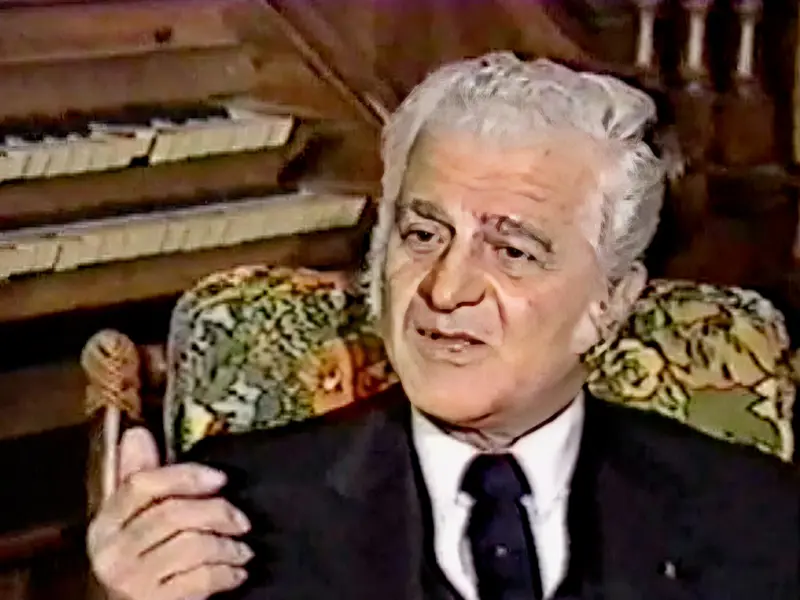
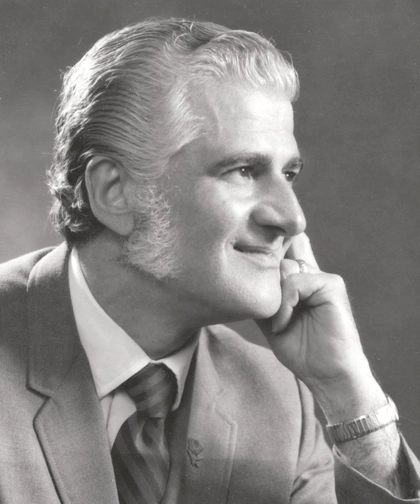
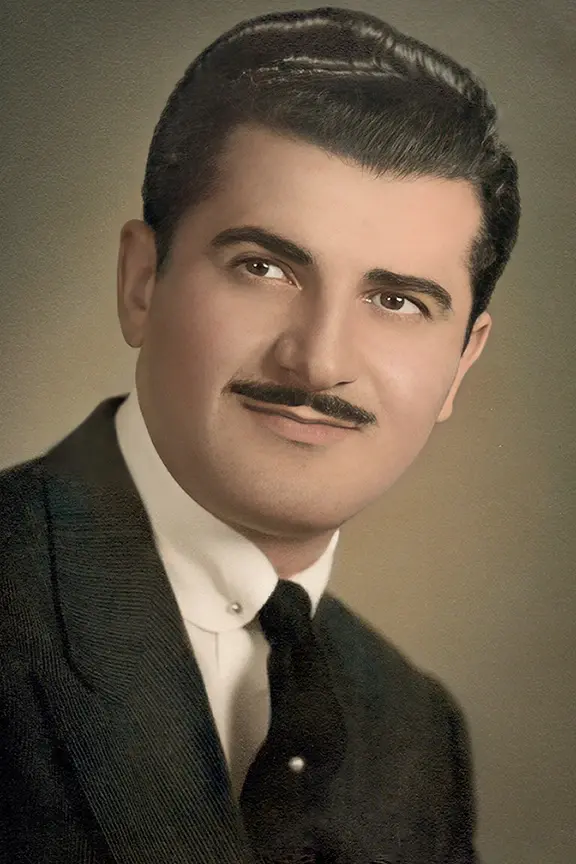
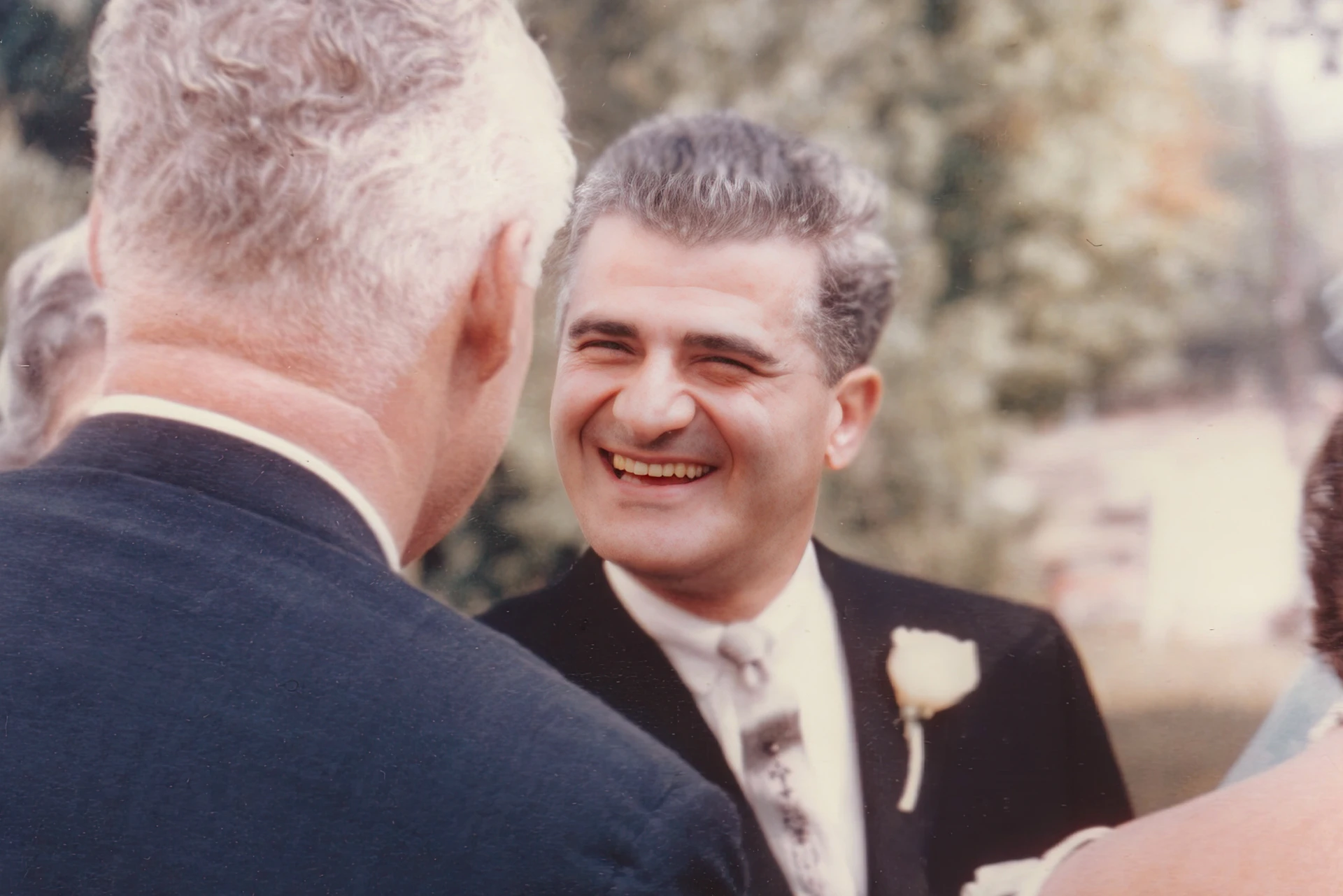
Dr. Arthur Zampella
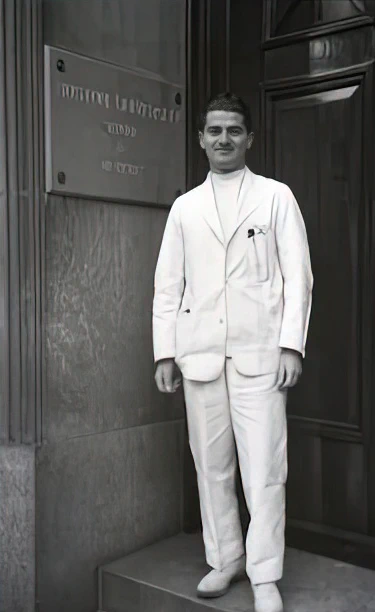
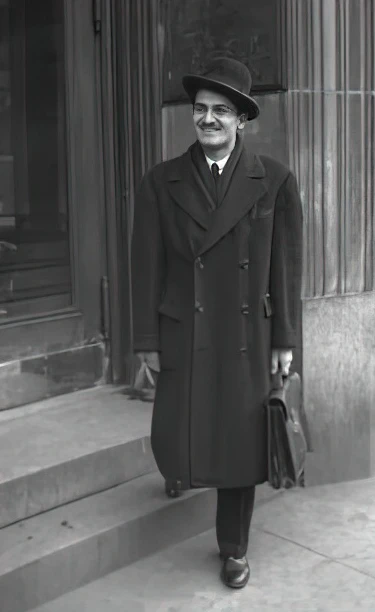
Physician • Humanitarian • Public Servant • Conservationist • PreservationistArthur Dante Louis Zampella (May 15, 1917 – January 9, 1992) was a physician, public servant, and medical educator whose work extended beyond the practice of medicine into the shaping of health care systems and the communities they served.
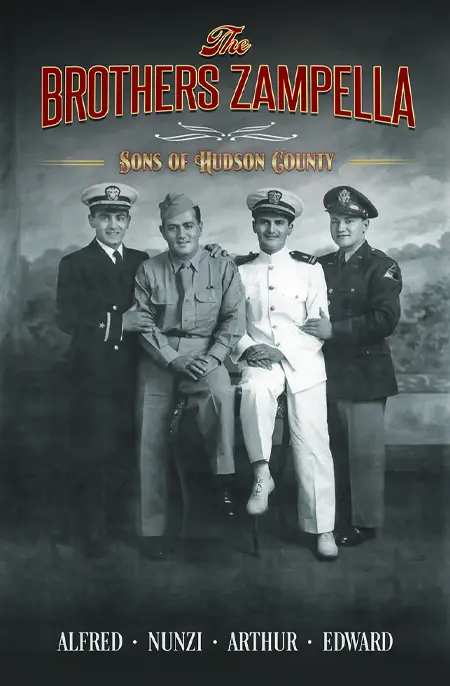
He was born in Jersey City, New Jersey, to Erminio and Filomena Zampella, Italian American immigrants from Santomenna in the Province of Salerno. He was one of five brothers: Peter, Nunzi, Edward F., and Alfred E. Zampella.
From 1947 to 1992, he established his medical practice in West Milford, New Jersey, and over time the work did not remain within the examination room. It moved outward into institutions, into systems, and into the daily lives of those who depended on them.
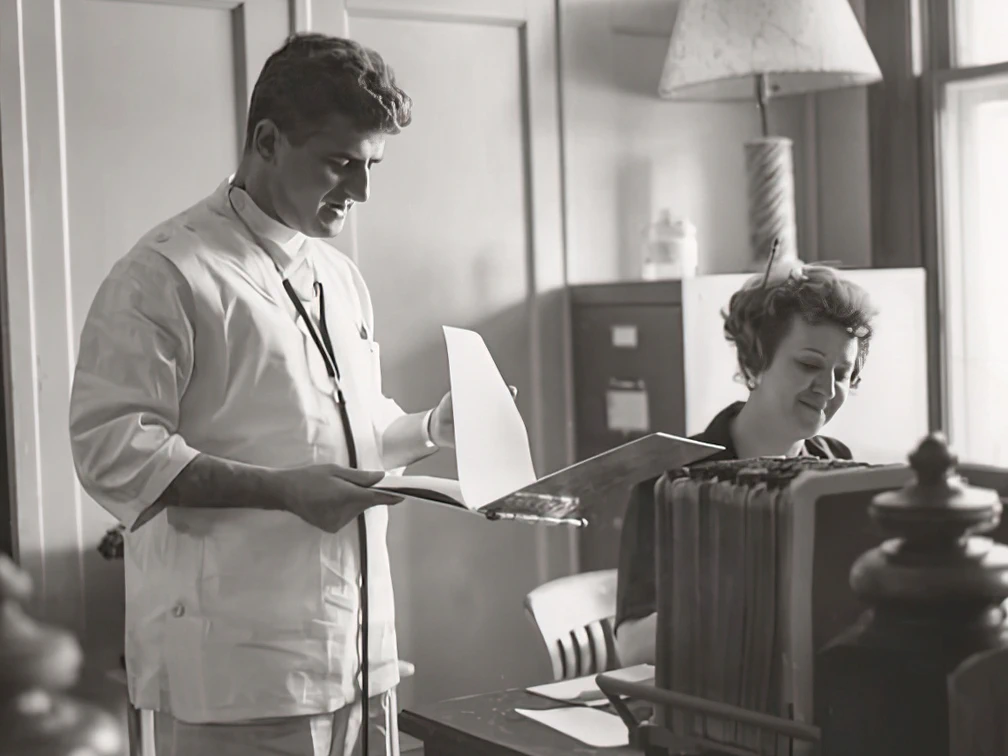
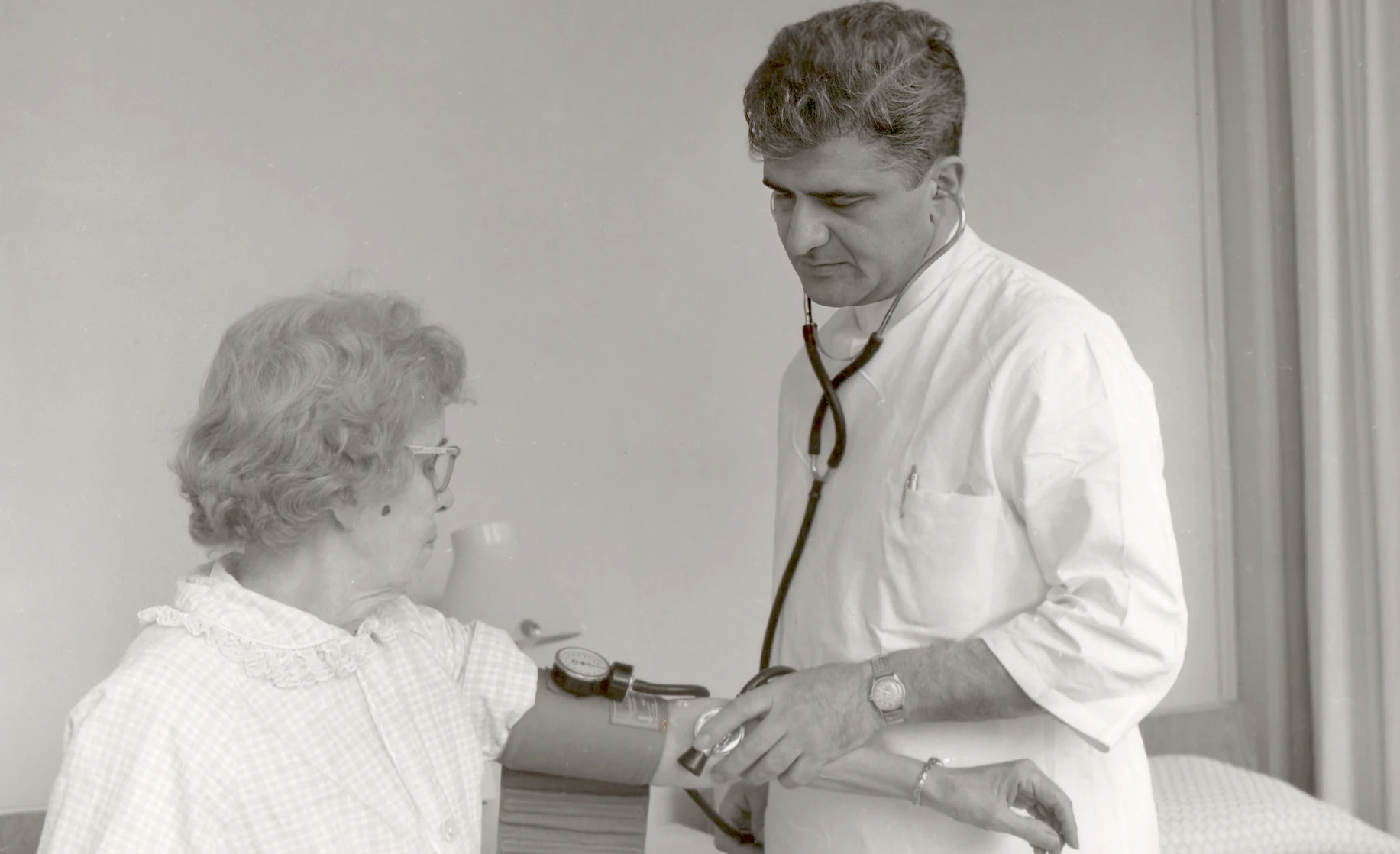
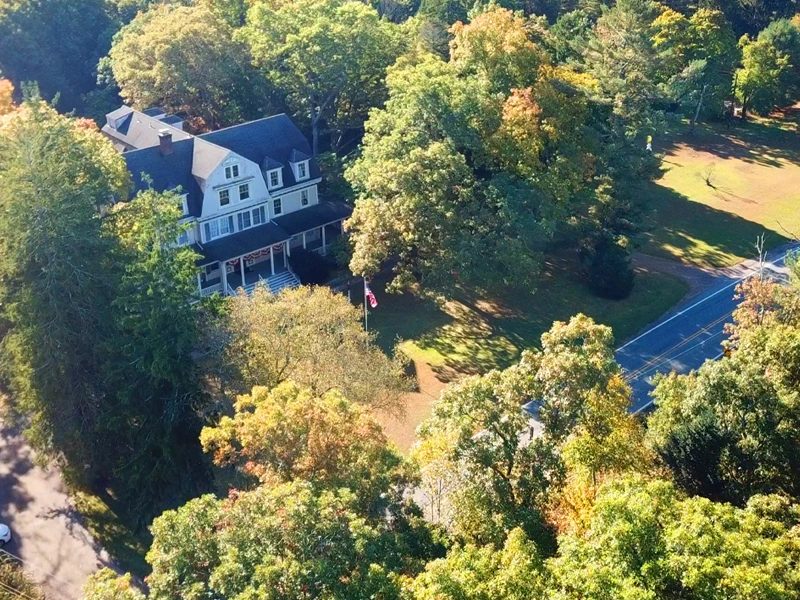
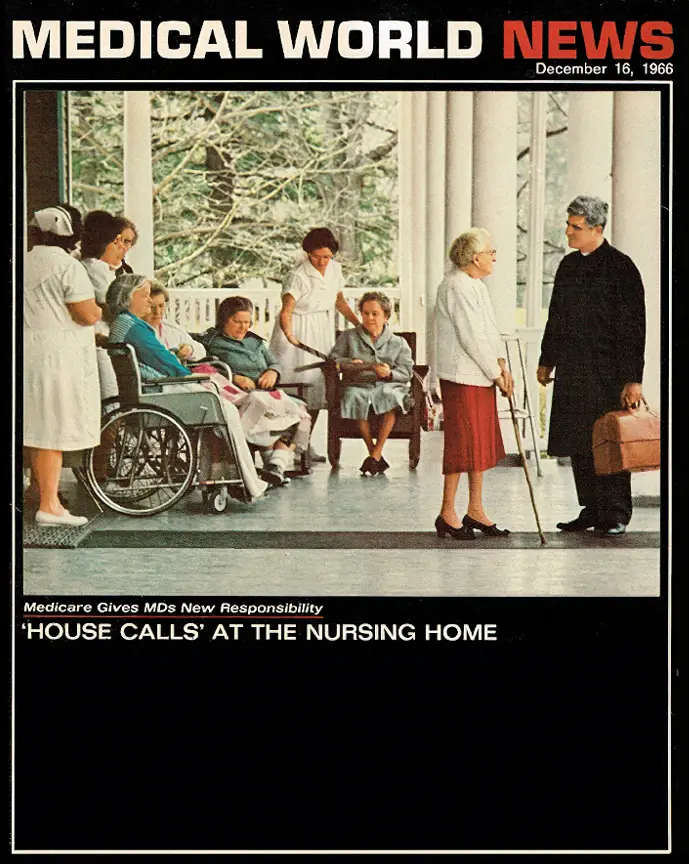
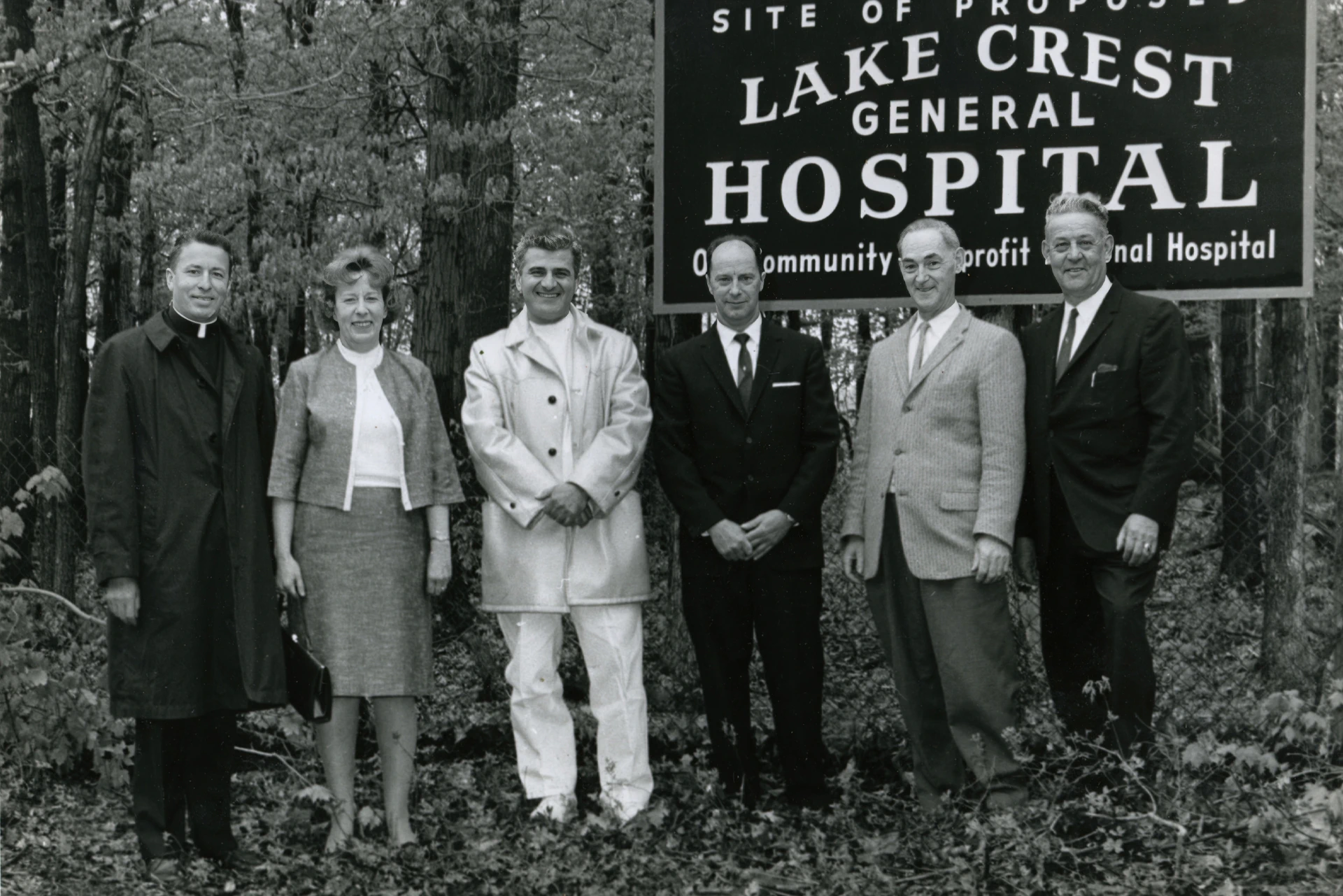
In 1954, he came to Idylease, purchasing the former Inn in the Newfoundland section of West Milford Township. From 1954 to 1972, he served as Executive Medical Director of Idylease Nursing & Convalescent Home and Director of the Idylease Clinical Laboratory. During those same years, he owned and operated the nursing home while maintaining his private medical practice on the premises. At Idylease, what he had learned was refined. Patient care, administration, clinical oversight, and long-term responsibility were no longer separate functions. They were carried together, each day, in one place.
Over time, that responsibility extended beyond the building. He served as physician to the West Milford Township Public Schools, as police and fire surgeon, and in leadership roles connected to the West Milford Board of Health, the West Milford Day Center, the Idylease Guidance Center, and other local civic and service organizations. He later served as Medical Director of the National Institute for Rehabilitation Engineering (NIRE) from 1970 to 1989, and as Executive Director of the West Milford Day Center and Medical Director of the Idylease Guidance Center. The work was not separate. It remained connected, and it accumulated over time.
The property itself became part of that same responsibility. In 1972, he established Idylease Helistop, which is currently used by local emergency services and the New Jersey State Police for the transport of critical patients to area trauma centers. The land was managed with the same continuity, and in 1991 the Idylease Tree Farm was recognized as Outstanding Tree Farmer of the Year for its stewardship of natural resources. These were not separate efforts, but part of the same responsibility applied across the building, the land, and the community it served.
Throughout his career, he maintained hospital affiliations with Jersey City Medical Center, Christ Hospital in Jersey City, St. Clare’s/Riverside Hospitals in Denville, the United States Naval Hospital at St. Albans, and Chilton Memorial Hospital in Pompton Plains. He also maintained his private medical practice at Idylease until his death in 1992.
In 1992, West Milford Mayor Tomas Parisi described him as “a township father who helped to shape the community.” The description reflected not only the positions he held, but the steady presence he maintained over decades of service, in institutions and in daily life.
His work was never confined to a single role. It moved between medicine, administration, research, public service, and stewardship, and over time it became part of the place itself. At Idylease, he brought everything he had learned into daily practice.
Over time, the work and Idylease became one.
Medical Education
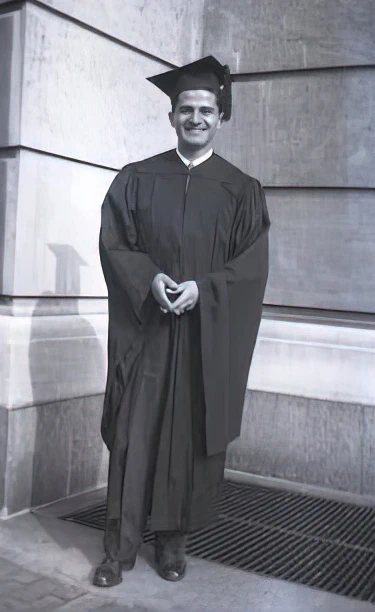
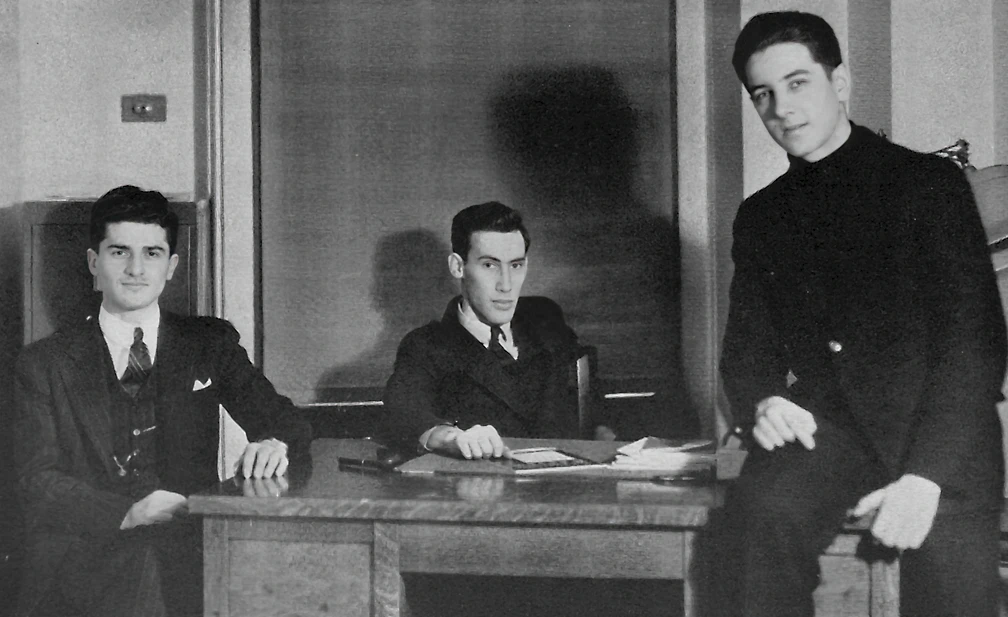
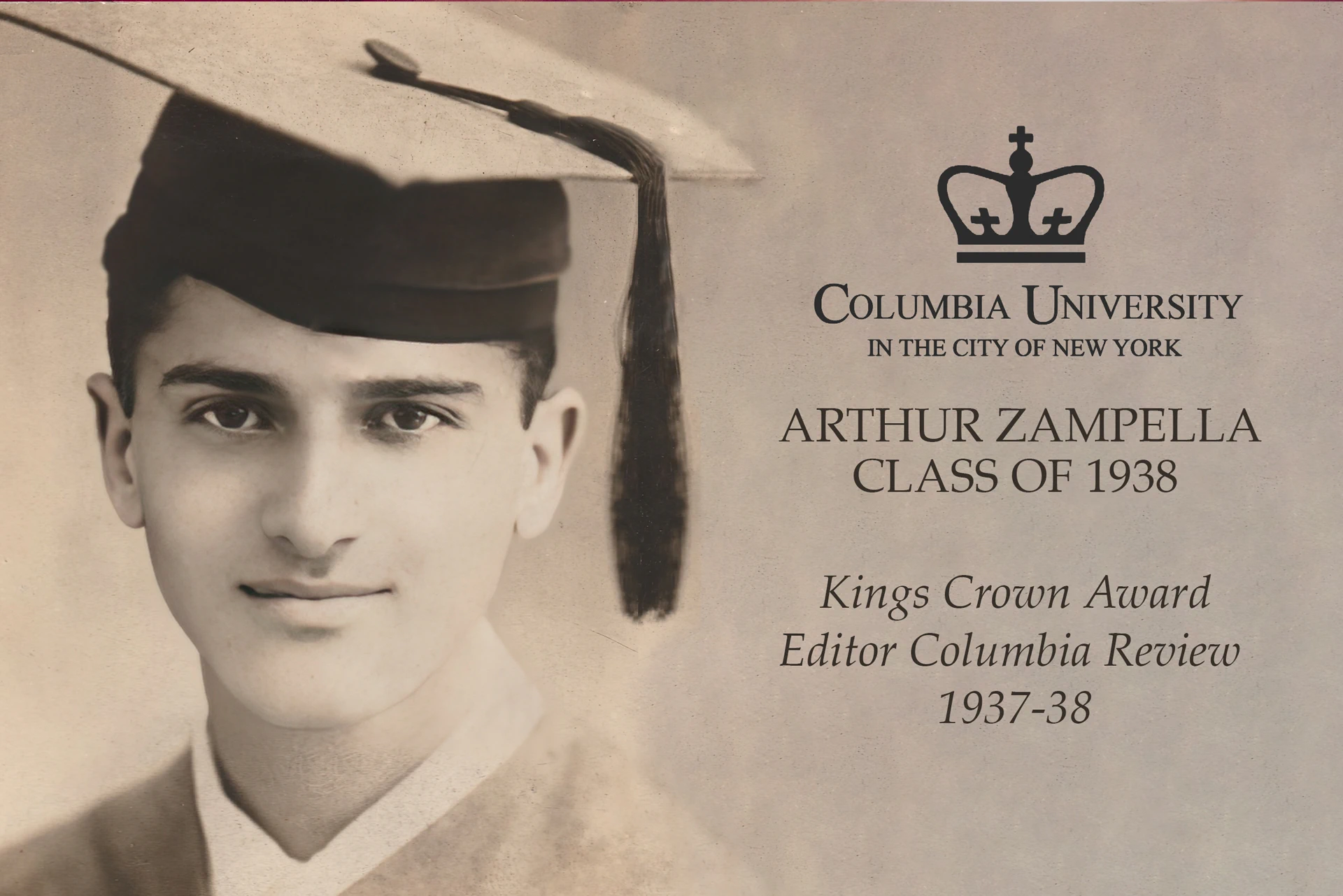
Columbia University • Boston University School of Medicine • NYUArthur Zampella entered Columbia University at sixteen, and by the time he graduated in 1938, he was already serving as Managing Editor of The Columbia Review. He went on to Boston University School of Medicine, earning his M.D. in 1943, and continued postgraduate study at the Graduate Medical School of New York University in bacteriology and biochemistry. Even early on, his training did not remain within one discipline. It was cumulative, shaped by science, medicine, and the conditions in which both were applied.
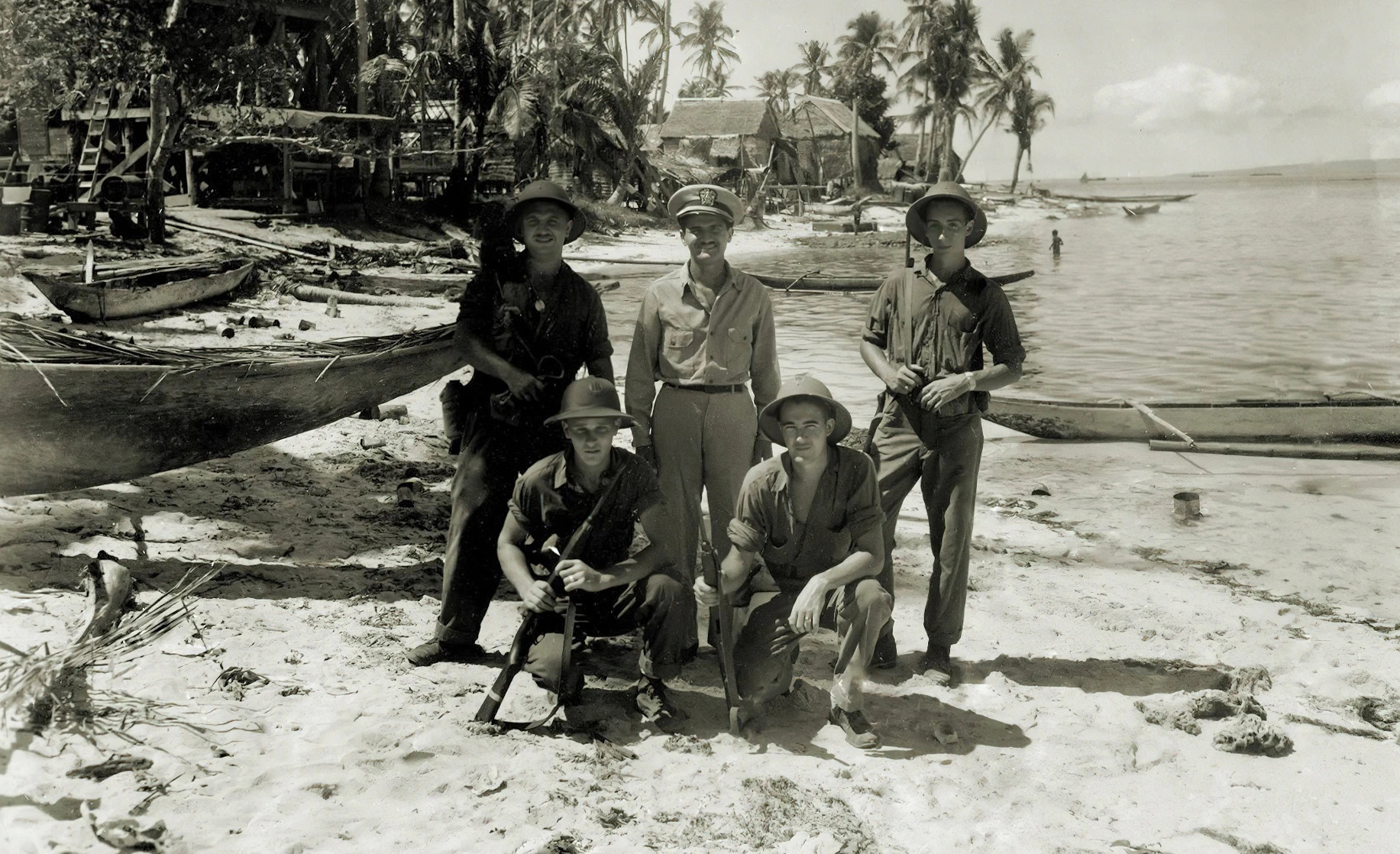
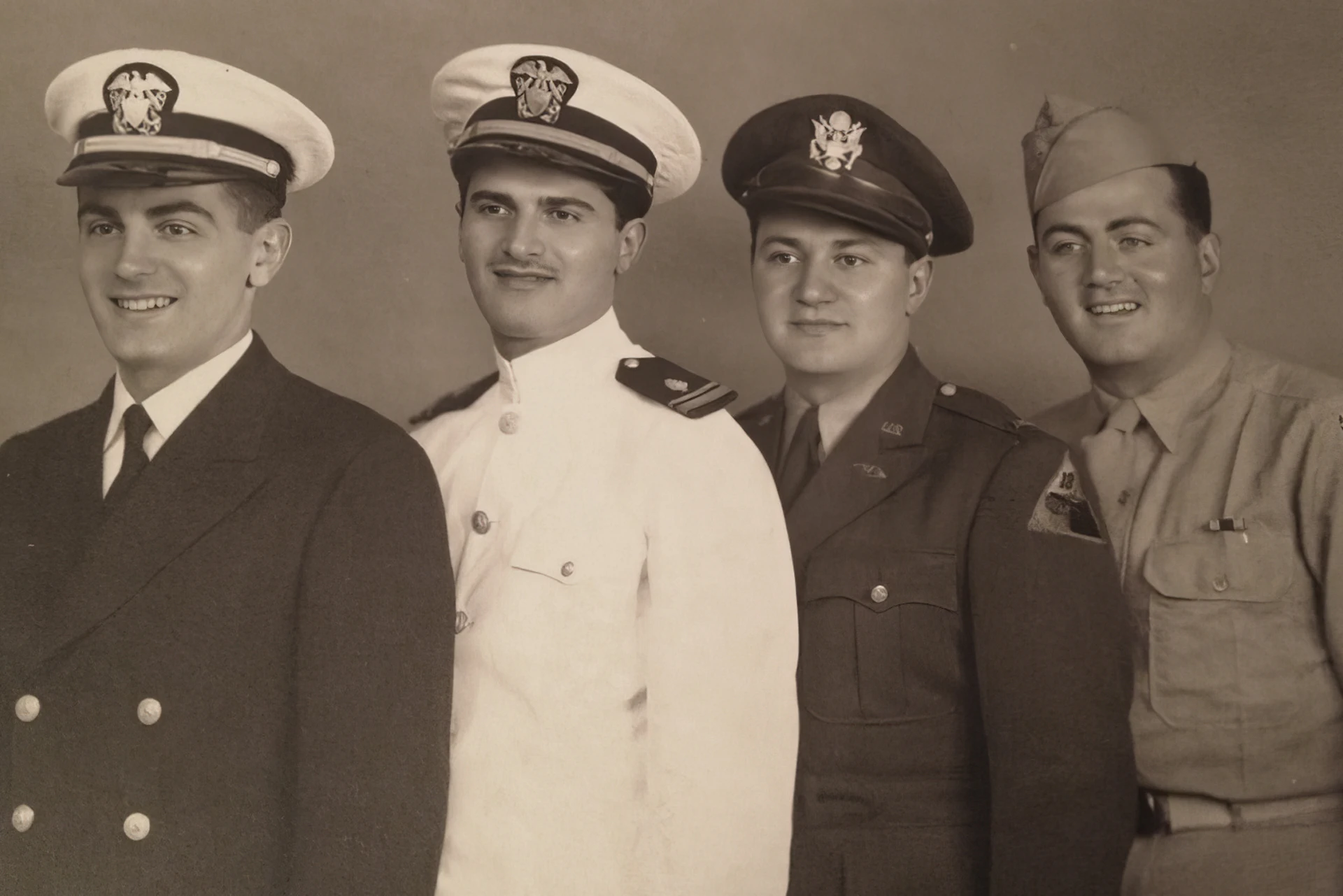
During the Second World War, he served in the United States Navy as a medical officer, completing his medical studies at St. Albans Naval Hospital before service in the Pacific aboard the USS Samuel Chase and at forward bases in the Philippines and Netherlands New Guinea. In those settings, medicine could not be separated from circumstance. It was immediate, exacting, and bound to what was present. After the war, he continued his work in medicine and research, studying medical radioactive isotopes at the United States Naval Medical School in Bethesda, and pursuing further work at the Naval Research Laboratory in Washington and at Brookhaven National Laboratory in nuclear physics and the biological effects of radiation.
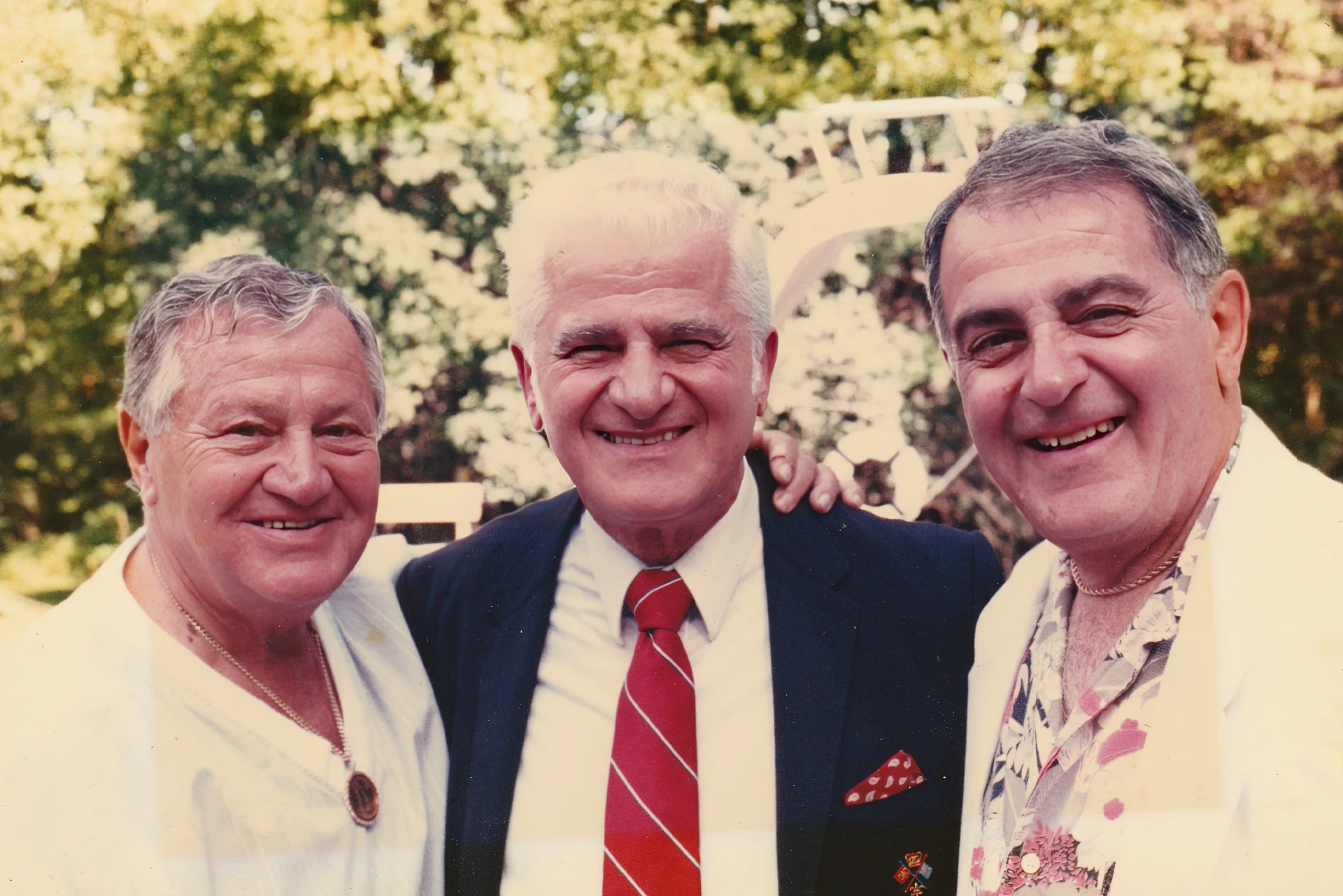
In 1947, he began private practice in Jersey City, New Jersey, concentrating in geriatric care. He also served as Senior Ship Surgeon for American President Lines and as Port Surgeon for Grace Lines. From 1961 to 1970, he worked as a Research Analyst with Armstrong Engineering, studying the effects of radiation on human physiology, aviation preparedness, and related investigations into aging. His writing and research grew out of the same habit of mind that shaped his medical work: he did not begin with theory, but with what was there.
Throughout his career, he maintained hospital affiliations with Jersey City Medical Center, Christ Hospital in Jersey City, St. Clare’s/Riverside Hospital in Denville, the United States Naval Hospital at St. Albans in Long Island, and Chilton Memorial Hospital in Pompton Plains.
He maintained his private medical practice at Idylease until his death in 1992.
His training extended beyond medicine into the responsibilities it carried.
Published Author
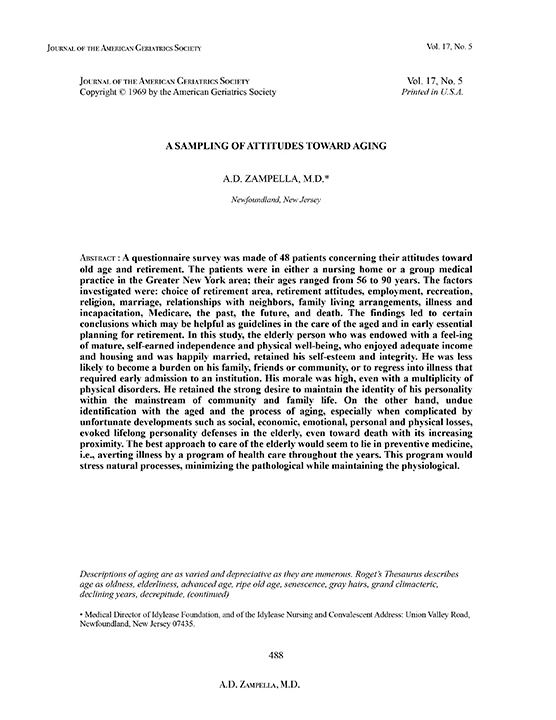
Click Text Links to ReadJournal of the American Geriatrics Society • Sociological Environment for the Elderly
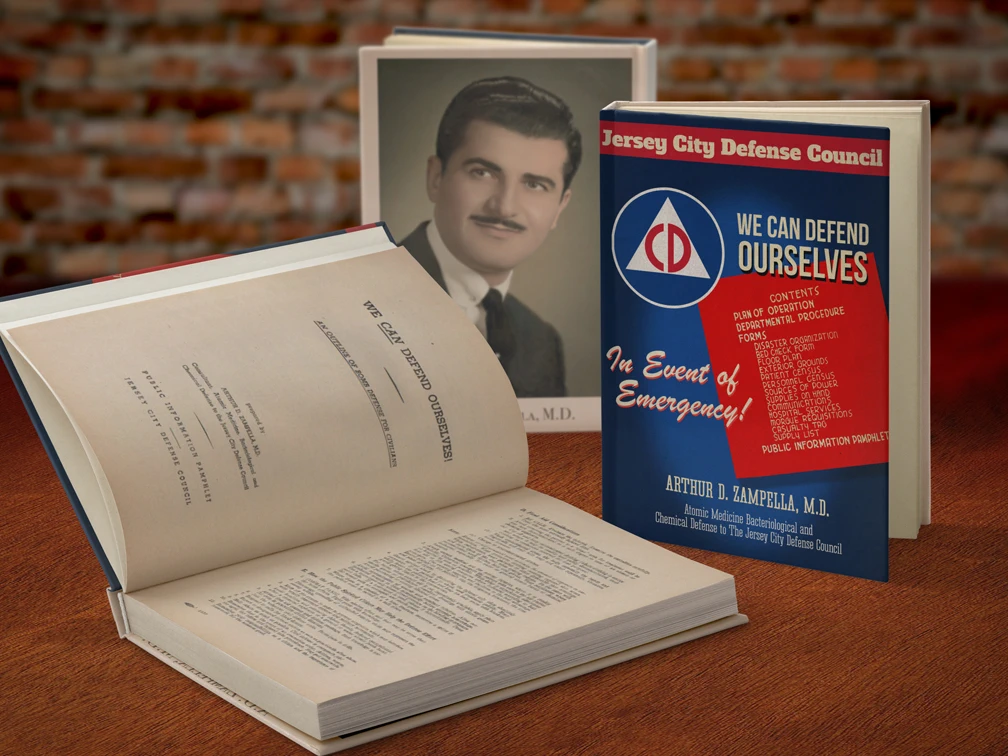
We Can Defend Ourselves
He wrote as he practiced—out of what he saw.
His work appeared in the Journal of the American Geriatrics Society, along with chapters and publications on aging, geriatric care, and the conditions surrounding them. These were not written at a distance, but out of direct contact with the patients and environments he was responsible for.
He did not begin with a thesis. He began by identifying what was there—observing the patient, the environment, and the systems that shaped both. He was attentive to how people lived within those conditions, and how those conditions, in turn, shaped their lives.
He was precise in what he wrote, and careful not to say more than he knew. Before writing, he sought out the patients themselves—asking, listening, and learning how they thought.
What he put into writing reflected what he had seen, and nothing beyond it.
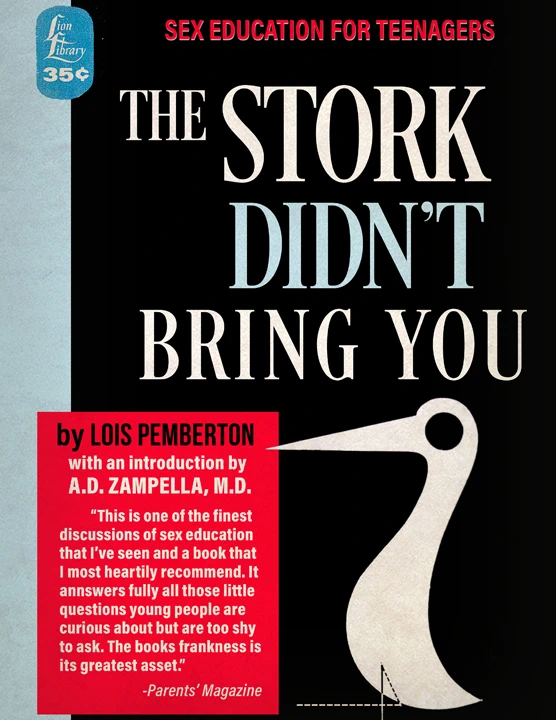
He also wrote We Can Defend Ourselves for the Jersey City Defense Counsel, and contributed the foreword and medical revisions to The Stork Didn’t Bring You by Lois Pemberton.
He did not write until he understood what he had discovered.
Columbia UniversityEditor of The Columbia Review
Arthur Zampella received his Bachelor of Science from Columbia University on June 1, 1938, having entered at the age of sixteen. A recipient of the King’s Crown Scholarship, he was recognized for outstanding leadership and community service. He served as the youngest managing editor of The Columbia Review in the institution’s history.
United States NavyPacific Theater of Operations WWII
Arthur Zampella deployed during World War II as a Medical Officer aboard the USS Samuel Chase, which arrived in 1945 at Calicoan Island in the Philippines with the 111th United States Naval Construction Battalion. He later served as Supervising Medical Officer at United States Naval Base Hollandia at Humboldt Bay, Netherlands New Guinea.
Idylease Nursing Home1954-1972
In 1954, Dr. Arthur D. L. Zampella moved his medical practice from Journal Square in Jersey City to Newfoundland, where he purchased Idylease Inn, a former resort hotel in the Highlands region of New Jersey. There, he owned and operated Idylease Nursing Home while serving as the Staff Medical Director from 1954 to 1972.
Over time, he accepted responsibility and carried it.
Awards/Recognition
Honors Bestowed for Humanitarian Service
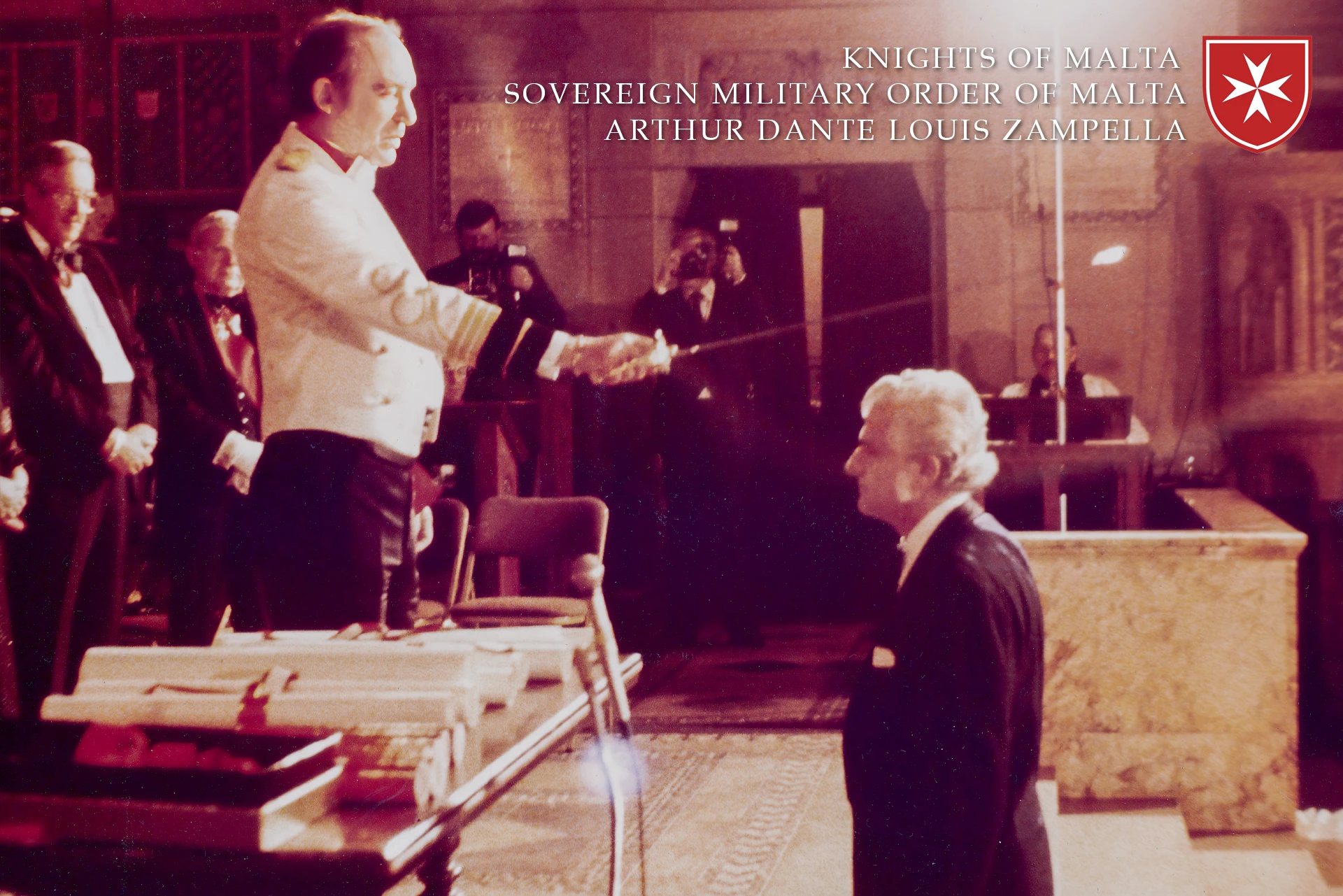
Chevalier of the Knights of MaltaSovereign Military Order of Malta
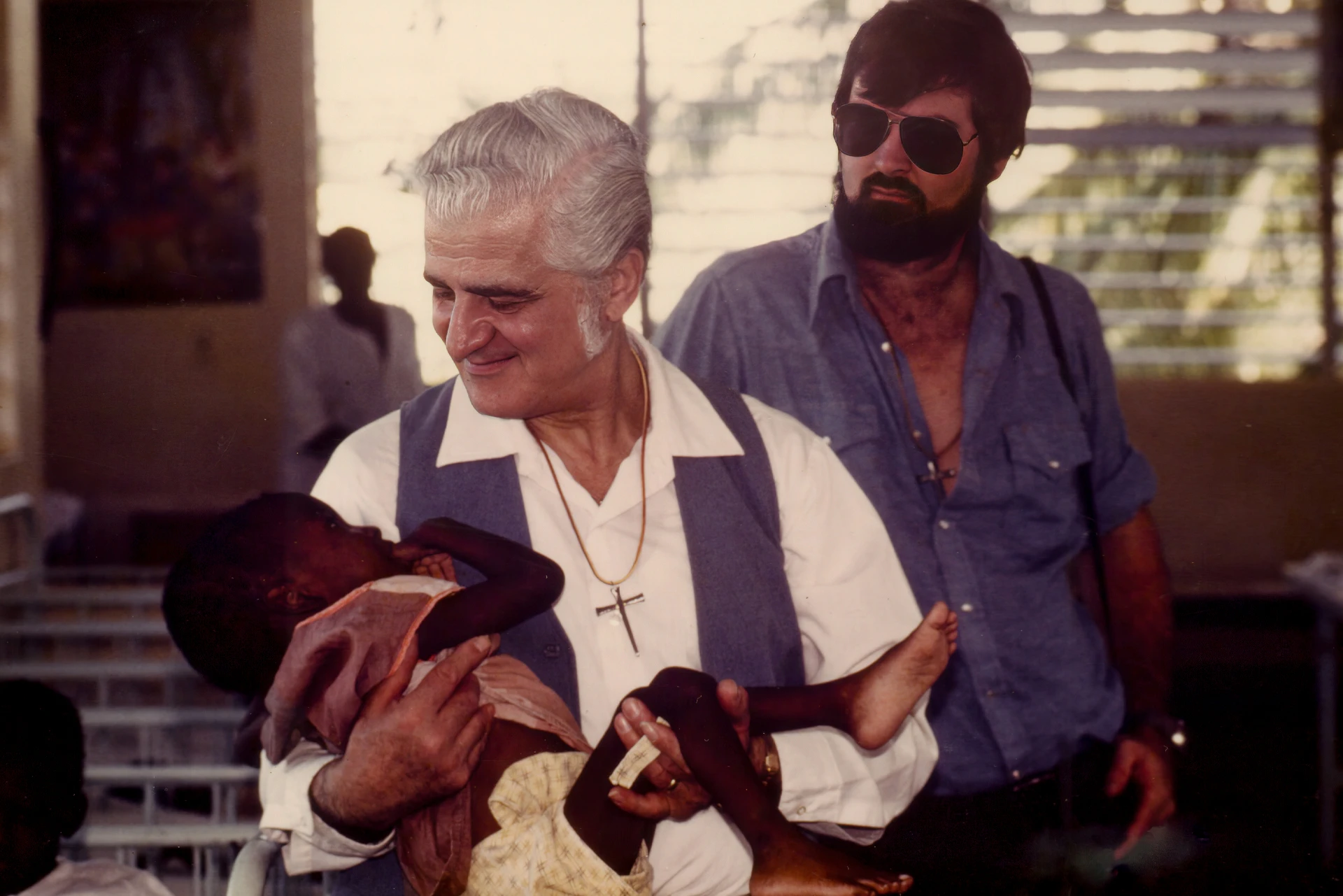
Dr. Arthur Zampella was invested as a Commander in the Knights of Malta in 1988 at St. Bartholomew’s Church in New York City. He was recognized for his humanitarian work providing travel and medical care to Haiti. The Order holds permanent observer status at the United Nations General Assembly.
Boy Scouts of AmericaThe Silver Beaver Award
Arthur Zampella was recognized for his impact on the lives of youth through service to the Three Rivers District. The award is bestowed upon individuals who have given continued, unselfish, and effective service to the community and is approved by the BSA National Court of Honor in Washington, DC.
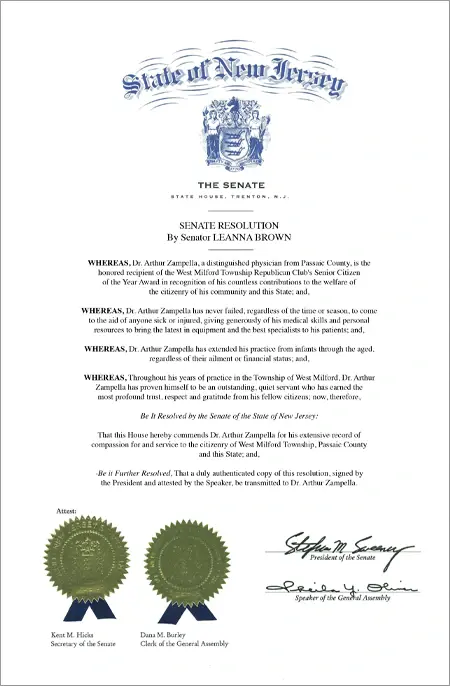
Citizen of the YearWest Milford Township, 1990
Dr. Arthur Zampella was recognized for his “quiet, self-effacing manner” and for his many years of service to the youth of West Milford—on the playing fields, in the Cub and Boy Scouts, the YMCA, and in organizing youth counseling boards to improve the lives of both the young and the elderly.
The recognition followed the work, never the other way around.
Multimedia Gallery
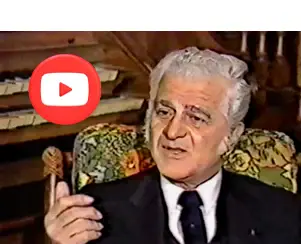
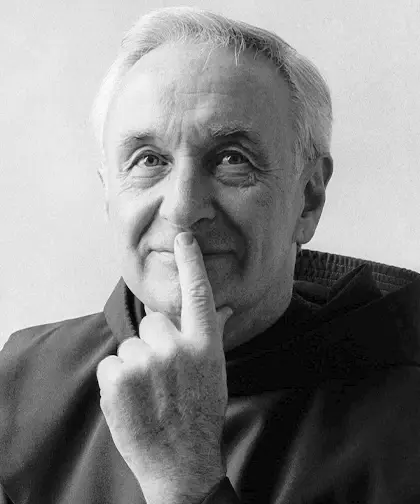
Explore Media related to Arthur ZampellaDr. Arthur Zampella
Lt. Commander, USN WWII
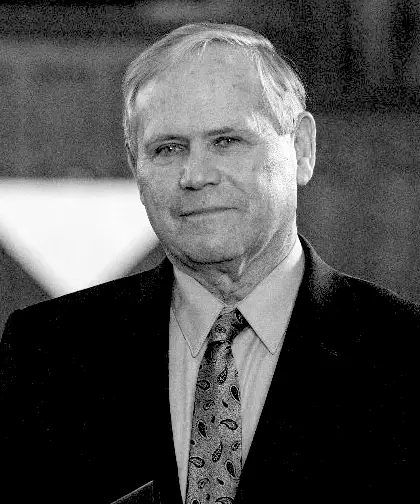
WM Citizen of the Year
Read Citation-EDITED FROM
THE WEST MILFORD CITIZEN OF THE YEAR CITATION
January 26, 1990
"I believe
that every right implies a responsibility; every opportunity,
an obligation; every possession, a duty.
I believe that love is the greatest thing in the world;
that it alone can overcome hate;
that right can and will triumph over might."
-JOHN D. ROCKEFELLER, JR.
January 9, 1992
"West Milford Had a Great Loss on this Day"Click to Read Article
–THE WEST MILFORD ARGUS
On January 9, 1992, Dr. Arthur Dante Louis Zampella was stricken with a fatal heart attack while treating patients in his medical office in the Newfoundland section of West Milford Township.
He was transported to Mountainside Hospital in Montclair, New Jersey, where he died at the age of 74.
A service in celebration of his life was held at the United Methodist Church of Newfoundland. Burial followed at the Newfoundland Cemetery on Route 23. The Rev. Frank Fowler officiated, and among those who spoke was Father Mychal Judge, who would later be killed in the September 11 attacks in New York City.
Those who gathered returned to a single theme: his dedication to others. Fowler recalled:
“People who were ill and could not afford to pay a doctor were treated by the physician anyway.”
The work did not end with his father
Richard Zampella carries the legacy forward at Idylease.
Richard Zampella, the son of Dr. Arthur Dante Louis Zampella, carries his work forward in a different form—through film at Transmultimedia Entertainment, and through the preservation of place.
As an American film and television producer, his documentaries have appeared on American Public Television and have been broadcast in the United Kingdom on PBS America and Sky TV.
His feature documentary Cooper & Hemingway: The True Gen , narrated by Sam Waterston, received a Critics’ Pick from The New York Times. Additional work includes Sergeant York: Of God & Country , narrated by Liam Neeson; a PBS documentary on Elmore Leonard , narrated by Campbell Scott; and Inside High Noon, narrated by Matthew Rhys.
Alongside his work in film, he remains connected to the land. As a conservationist, he manages the Idylease Tree Farm , continuing a practice established by his father, who was recognized as Outstanding Tree Farmer of the Year in 1991.
As a preservationist, he maintains the care of Idylease Inn , a historic property eligible for inclusion on the National Register of Historic Places.